Saad Al-Sowayan / سعد الصويان
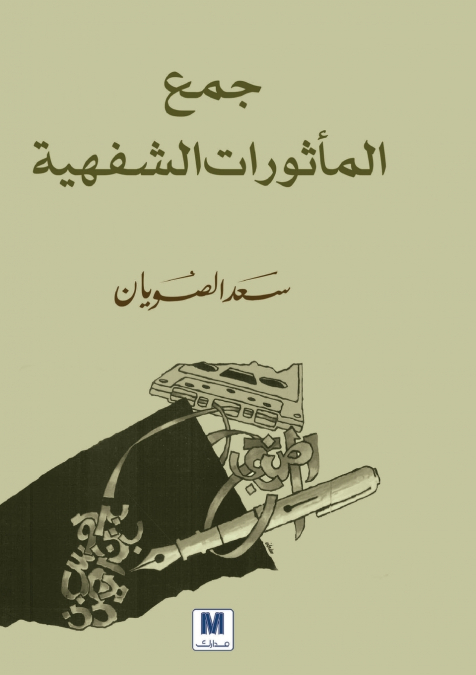
يقدم كتاب جمع المأثورات الشفهية للدكتور سعد العبدالله الصويان دليلًا علميًا وعمليًا لأساليب العمل الميداني في جمع التراث الشعبي والمأثورات المنقولة شفهيًا، مع اهتمام خاص بالشعر الشفهي والشعر النبطي.يتناول الكتاب مراحل إعداد البحث الميداني، واختيار الرواة والإخباريين، وإجراء المقابلات الفردية والجماعية، وتسجيل النصوص الشفهية، وتوثيق ظروف الأداء والسياق الاجتماعي، واستخدام أجهزة التسجيل والتصوير، ثم حفظ المواد وفهرستها وتنظيمها للاستفادة منها في البحث العلمي.كما يناقش العلاقة بين الباحث والراوي، وأخلاقيات العمل الميداني، وطرق صياغة الأسئلة، وتدوين النصوص، والمحافظة على المادة الشفهية من الضياع. ويؤكد المؤلف أن جمع المأثورات لا يقتصر على تسجيل النص وحده، بل يتطلب فهم البيئة الثقافية والاجتماعية واللغوية التي نشأ فيها النص وأُدّي داخلها.يمثل الكتاب مرجعًا مهمًا للباحثين والطلاب في الفولكلور والأنثروبولوجيا والتاريخ الشفهي واللسانيات والتراث الثقافي، وللمهتمين بالشعر النبطي والثقافة الشعبية في الجزيرة العربية.Collecting Oral Traditions by Saad Abdullah Al-Sowayan is a practical and scholarly guide to fieldwork methods used in collecting folklore and orally transmitted cultural material, with particular attention to oral poetry and Nabati poetry.The book explains how researchers can prepare for fieldwork, identify and approach narrators, conduct individual and group interviews, record oral material, document performance context, use audio and visual equipment, organize recordings, and preserve collected material for future study. It also discusses researcher ethics, relationships with informants, interviewing techniques, transcription, archiving, and the importance of understanding the social and cultural environment in which oral traditions are performed.Drawing on folklore studies, anthropology, linguistics, and field research, Al-Sowayan emphasizes that collecting oral heritage involves more than recording texts. Researchers must also document the narrator, setting, performance, language, audience, and cultural context that give oral material its meaning.A useful reference for students, scholars, folklorists, anthropologists, historians, and researchers interested in oral history, Arabian folklore, Nabati poetry, cultural heritage, ethnographic fieldwork, and the preservation of intangible heritage.The book explicitly presents methods for preparing fieldwork, interviewing informants, recording and cataloging oral material, documenting performance, and using research equipment.