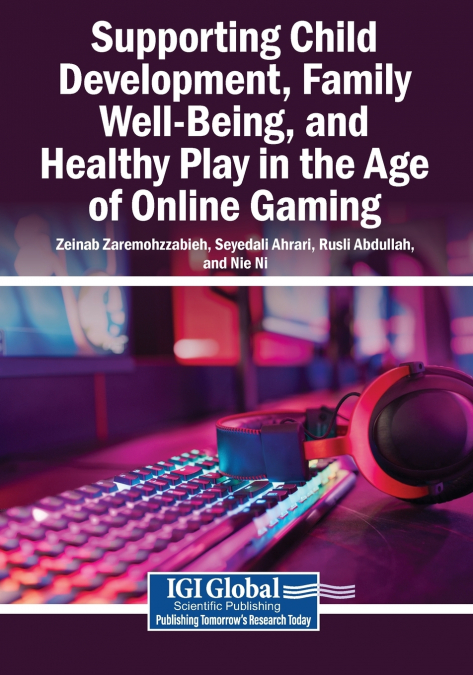
As online gaming becomes an increasingly significant part of childhood, families encounter new opportunities and challenges related to children’s development, well-being, and play. Digital games can foster creativity, problem-solving, social interaction, and recreation. At the same time, concerns about excessive use, online safety, commercial influences, and maintaining a healthy balance between digital and offline activities require careful consideration. Supporting positive gaming experiences involves understanding how children engage with virtual environments while addressing their emotional, social, cognitive, and physical needs across different stages of development. Parents, educators, healthcare professionals, policymakers, and technology developers all play important roles in promoting age-appropriate practices, digital literacy, open communication, and balanced routines. By adopting a child- and family-centered approach to online gaming, it is possible to encourage healthy play, strengthen family relationships, and support responsible technology use. Supporting Child Development, Family Well-Being, and Healthy Play in the Age of Online Gaming explores the impact of online gaming on children’s cognitive, emotional, social, and physical development, highlighting both its benefits and potential challenges. This book examines strategies for fostering healthy gaming habits, enhancing online safety, strengthening family relationships, and promoting overall child and family well-being. Covering topics such as active play, parental control and mediation, and social skill development, this book serves as a valuable resource for sociologists, game developers, academics, researchers, and other professionals interested in children’s experiences with online gaming.