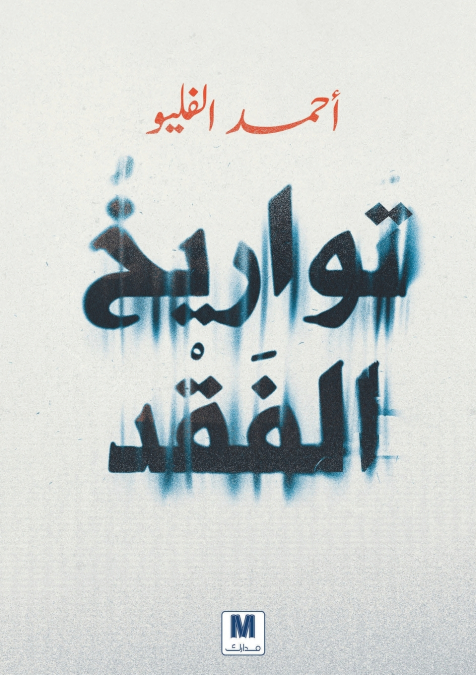
Ahmad Alflaiw / أحمد الفليو
يتناول كتاب تواريخ الفقد لأحمد الفليو الفقد بوصفه تجربة إنسانية ممتدة عبر التاريخ، تتصل بالذاكرة والهوية والمكان والزمن والموت والغياب والمنفى. ويقدم المؤلف قراءة متعددة التخصصات تجمع بين الأدب وعلم النفس والأنثروبولوجيا والفلسفة والنقد الثقافي لفهم أثر المفقود في الفرد والمجتمع.يتتبع الكتاب صور الفقد منذ أساطير الحضارات القديمة وطقوس الموت والبعث، مرورًا بقصة قابيل وهابيل، ثم يتناول نماذج أدبية وثقافية مثل هاملت والزير سالم ومجنون ليلى والخنساء وامرئ القيس ومالك بن الريب والبحتري ومحمود درويش وإدوارد سعيد.ويخصص جانبًا مهمًا لعلاقة الإنسان بالمكان المفقود، والحنين والاغتراب والمنفى، وكيف يصبح المكان والذاكرة جزءًا من تشكيل الهوية. كما يناقش سيكولوجية الحزن، والأشباح الرمزية للمفقود، وتجليات الفقد في الأدب والأسطورة والشعر.كتاب فكري ونقدي مناسب للقراء المهتمين بالنقد الأدبي والثقافي، ودراسات الذاكرة والفقد، وعلم النفس الثقافي، والأنثروبولوجيا، والهوية والمنفى، والأدب العربي المقارن.Histories of Loss by Ahmad Alflaiw is an interdisciplinary exploration of loss as a fundamental human experience that shapes memory, identity, culture, and our relationship with place and time. Moving between literature, mythology, psychology, anthropology, philosophy, and cultural criticism, the book examines how individuals and societies understand absence, death, exile, grief, and the disappearance of people and places.The author traces representations of loss from ancient myths and rituals of death and rebirth to religious narratives, tragic heroes, Arabic poetry, and modern literature. The discussion includes Inanna and Dumuzi, Cain and Abel, Hamlet, Al-Zeer Salem, Majnun Layla, Al-Khansa, Imru’ al-Qais, Malik ibn al-Rayb, Al-Buhturi, Mahmoud Darwish, and Edward Said.A major section explores the connection between place, nostalgia, exile, and identity, showing how memories of lost places continue to influence the individual and collective imagination. Combining literary analysis with psychological, philosophical, and anthropological perspectives, Histories of Loss offers a wide-ranging study of grief, memory, absence, cultural identity, and the enduring presence of what has been lost.The author states that the book examines loss through historical and narrative models using anthropological, philosophical, and psychological perspectives, before extending the study to literature, place, nostalgia, exile, and identity.