Mohammad Essam Al-Khamis / محمد عصام الخميس
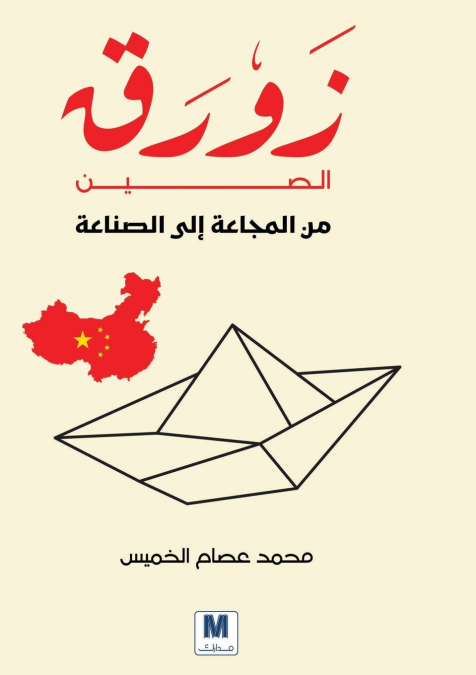
يقدم كتاب زورق الصين: من المجاعة إلى الصناعة لمحمد عصام الخميس قراءة مبسطة للتحول الاقتصادي الهائل الذي نقل الصين من الحروب والمجاعة والأزمات السياسية إلى واحدة من أبرز القوى الصناعية والاقتصادية في العالم.يبدأ الكتاب باستعراض مراحل من التاريخ الصيني الحديث، ومنها الحروب الأهلية والمجاعة الكبرى وسياسات ماو والثورة الثقافية، ثم ينتقل إلى الإصلاحات التي أعادت تشكيل القطاع الزراعي ومهدت للنهضة الصناعية الصينية.ويشرح المؤلف عوامل توسع الصناعة والصادرات، وسياسات السوق، وتشجيع الشركات الناجحة، ونقل المعرفة والتقنية، إضافة إلى النظام المالي الصيني وسياسات التحكم في رؤوس الأموال. كما يتناول أبرز التحديات التي تواجه النموذج الصيني، ومنها التغير الديموغرافي، والديون، ونظام الحزب الواحد، والصورة الذهنية للمنتجات الصينية، والتنافس الاقتصادي مع الولايات المتحدة.الكتاب مستند إلى محتوى بودكاست زورق الذي قدمه محمد الخميس حول التحولات السياسية والاقتصادية في الصين، ويعتمد أسلوبًا موجزًا مدعومًا بالأرقام والأمثلة. وهو مناسب للمهتمين باقتصاد الصين، والتنمية الاقتصادية، والتصنيع، والأسواق الناشئة، والتاريخ الاقتصادي، والاقتصاد الدولي.China’s Boat: From Famine to Industry by Mohammad Essam Al-Khamis offers an accessible examination of China’s remarkable economic transformation from famine and political turmoil to industrial and financial power.Beginning with China’s wars, the Great Famine, Mao-era policies, and the Cultural Revolution, the book traces the reforms that reshaped agriculture and laid the foundations for rapid industrial growth. It then examines manufacturing, exports, market reforms, competition, technology, the Chinese financial system, capital controls, and the policies that helped China become a major force in the global economy.The book also explores the challenges surrounding the Chinese model, including demographic change, debt, the one-party system, perceptions of Chinese products, and growing economic competition with the United States.Originally developed from Mohammad Al-Khamis’s Zawraq podcast on China’s political and economic transformation, the book presents economic history through concise explanations, statistics, and real-world examples. It is suitable for readers interested in China, economic development, industrialization, emerging markets, international economics, and the forces behind one of the most significant economic transformations of the modern era.The book is organized around China’s transition from famine to industry, agricultural reform, industrial expansion, the financial system, and challenges facing the Chinese model.