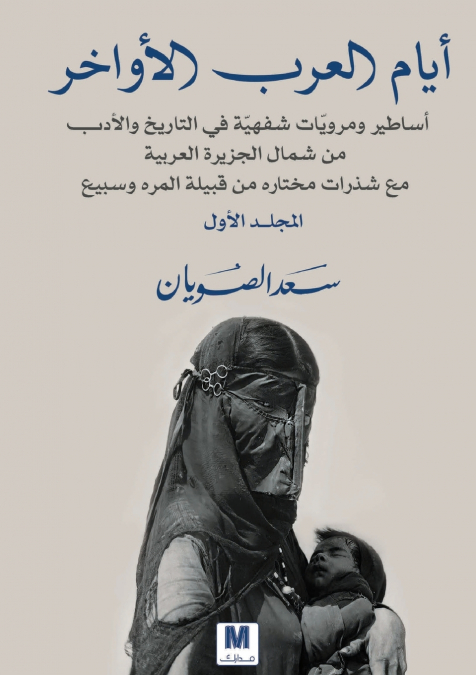
Saad Abdullah Al-Sowayan / سعد العبدالل الصويان
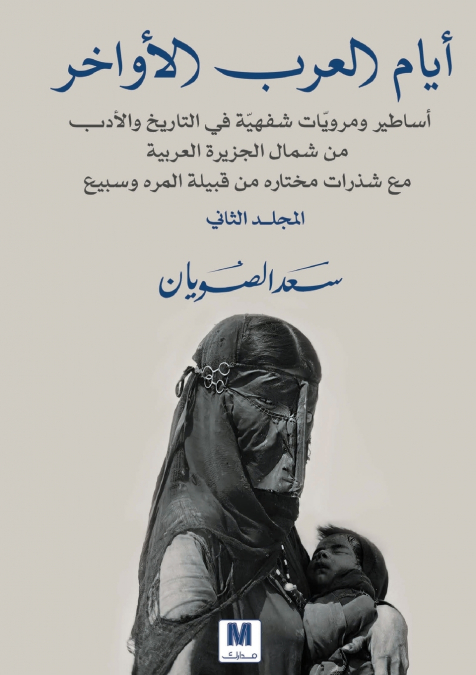
يعد أيام العرب الأواخر - المجلد الأول للدكتور سعد العبدالله الصويان مجموعة واسعة من المرويات الشفهية والسوالف والقصائد والتراث القبلي التي توثق جانبًا مهمًا من الثقافة والحياة الاجتماعية في الجزيرة العربية، ولا سيما في مناطق شمال الجزيرة.يعتمد الكتاب على تسجيلات شفوية بدأ المؤلف جمعها منذ عام 1982، وشملت رواة من قبائل ومجتمعات متعددة، من بينها شمر وعنزة وبني رشيد وسبيع وآل مرة وغيرها. وتتناول المرويات موضوعات الأنساب والقيادة القبلية والغزوات والحروب والهجرة والكرم والجوار والعرف القبلي والشعر النبطي والحياة البدوية وعلاقة القبائل بعضها ببعض وبالحاضرة والدولة.لا يقدم المؤلف هذه المرويات باعتبارها وثائق تاريخية محققة، بل بوصفها مادة مهمة لدراسة التاريخ الشفهي والأنثروبولوجيا والفولكلور واللغة والأدب الشفهي. كما تكشف النصوص عن أنماط السرد الشعبي، والقيم البدوية، والتنظيم القبلي، والعادات والتقاليد، وملامح الحياة في الصحراء العربية.مرجع مهم للباحثين والقراء المهتمين بتاريخ الجزيرة العربية، والتراث الشعبي، والقبائل العربية، والأنثروبولوجيا، والأدب الشفهي، والشعر النبطي، والتاريخ الاجتماعي والثقافي للمملكة العربية السعودية.The Latter Days of the Arabs - Volume One by Saad Abdullah Al-Sowayan is a major collection of oral narratives, tribal traditions, poetry, folklore, and cultural memory from the Arabian Peninsula, particularly northern Arabia.Based on oral recordings collected by the author beginning in 1982, the book preserves narratives transmitted by storytellers from tribes and communities including Shammar, Anazah, Bani Rashid, Subay’, Al Murrah, and others. These accounts explore tribal genealogy, leadership, warfare, migration, hospitality, customary law, poetry, desert life, and relationships between Bedouin communities, settled populations, and political authorities.Rather than presenting the narratives as verified historical documents, Al-Sowayan approaches them as valuable sources for understanding oral history, folklore, language, anthropology, and the cultural and social structures of Arabian society. The original dialects and storytelling traditions provide insight into Bedouin values, tribal organization, oral poetry, and the changing world of the Arabian desert.An important reference for readers and researchers interested in Arabian history, anthropology, folklore, oral literature, tribal studies, Nabati poetry, and the cultural heritage of Saudi Arabia and the Arabian Peninsula.The author explicitly explains that these are oral traditions rather than critically verified historical documents, and that their value lies especially in their linguistic, cultural, social, anthropological, and oral-literary content.