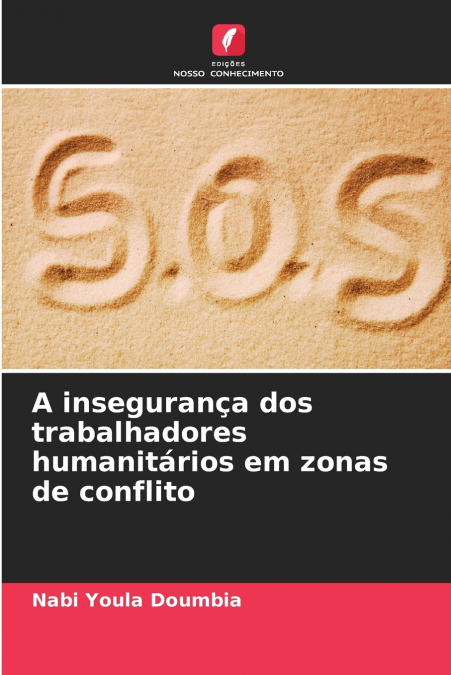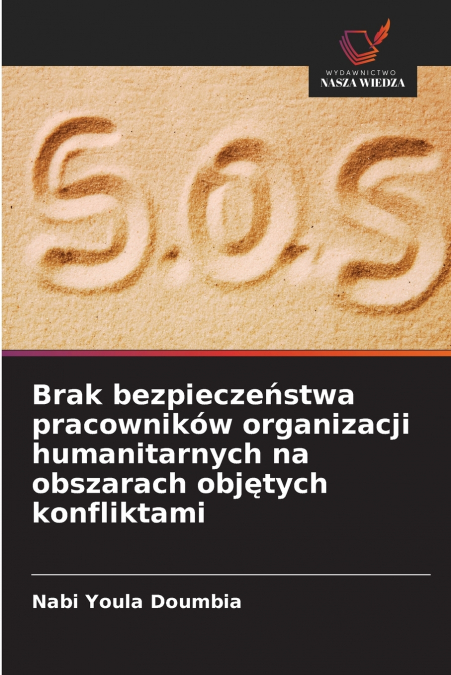
Nabi Youla Doumbia
Since the end of the Cold War, the insecurity faced by humanitarian workers has increased. They face both environmental violence-linked to the hostile contexts in which they work, collateral damage, and other predatory crimes that flourish in conflict zones-and political violence resulting from their being labeled 'enemies of war' by certain belligerents. The strategies implemented to reduce this vulnerability have yielded mixed results. On the one hand, they have successively improved the security of UN agencies, the ICRC, and international NGOs; on the other hand, they have shifted risks onto the national staff of these NGOs, who-due to the 'remote control management' strategy-find themselves on the front lines in dangerous areas while expatriate staff, entrenched in a safe zone, oversee operations. Effective solutions exist to further reduce the vulnerability of humanitarian workers, including the adoption of Van Brandant’s 'security triangle,' maintaining a clear separation from politics, and establishing a professional association that excludes unethical NGOs from its ranks.